

Understanding the Latest EV Charging Technologies Available in Qatar
The latest EV charging technologies Qatar drivers are hearing about are changing the way electric and hybrid vehicles fit into daily life. As more owners look for faster charging, better compatibility and smarter energy management, it is no longer enough to think only about plug type or charging speed.
In 2026, the conversation is broader. It includes charger communication, battery temperature management, software compatibility, regional standards and the way infrastructure is evolving to support different vehicle brands and use cases. For EV owners in Qatar, that matters because charging is not just about convenience — it affects battery health, routine usability and long-term ownership confidence.
This guide breaks down the newest charging developments in practical terms. Whether you drive a Tesla, BYD, Zeekr, Avatr, Xpeng, Rivian or another EV model, understanding these changes can help you make smarter decisions about charging at home, at work and on the road.
Why charging technology matters more than ever
Charging used to be discussed mostly in terms of range. Today, it is equally about speed, safety, compatibility and the intelligence built into the charging process.
Modern EVs and chargers communicate with each other before energy begins to flow. That communication helps confirm whether the connection is safe, what current levels are suitable and how the battery should be managed during the session. The better that communication works, the smoother the charging experience tends to be.
For Qatar drivers, charging technology also has a climate connection. High ambient temperatures can affect battery performance, thermal management and charging consistency. That means the latest EV charging technologies Qatar owners should pay attention to are not just the newest ones — they are the ones that work reliably in real regional conditions.
Fast charging has become more practical, not just faster
One of the biggest changes in recent years is the maturity of DC fast charging. While early EV adoption often focused on slower AC charging at home, more public and destination chargers now support faster top-ups for drivers who need to get back on the road quickly.
Fast charging has become more practical because the surrounding ecosystem has improved. Chargers are better integrated with vehicle software, charge planning is more accurate and many modern EVs are designed to manage heat and power delivery more intelligently than earlier models.
That does not mean every fast-charging session is identical. Charging speed still depends on battery state of charge, battery temperature, charger output and the vehicle’s own charging curve. A car may charge quickly for part of the session and then slow down to protect the battery as it fills.
For owners, the key takeaway is simple: the number on the charger is only part of the story. Real-world charging performance depends on how well the vehicle, battery and charger work together.
AC charging, DC charging and where each one fits
The charging world is often divided into AC and DC, but many owners never get a clear explanation of how they differ.
AC charging is typically what people use at home, at offices or in places where the car has time to stay parked for several hours. The vehicle’s onboard charger converts the AC power into a form the battery can store. This approach is usually gentler and well suited to overnight charging or regular daily use.
DC fast charging takes a different route. The charger itself converts power and delivers it directly to the battery at a higher rate. That is why it can dramatically reduce charging time, especially for drivers who need to recharge while traveling or between appointments.
In practice, most EV owners benefit from a mix of both:
- AC charging for routine, lower-stress daily use
- DC fast charging for longer journeys or quick top-ups
- Scheduled charging to manage timing and energy use more efficiently
The latest EV charging technologies Qatar drivers are seeing usually combine these approaches rather than replacing one with the other.
Smarter connectors and regional compatibility are reshaping EV use
The connector itself has become a key part of the charging conversation. As more imported EVs enter the market, compatibility is a real issue for owners who want smooth access to local charging infrastructure.
Different vehicles may support different charging standards, connector shapes or communication protocols. Some cars are plug-and-play in certain environments but may require region-specific considerations in others. This is especially relevant for owners of imported vehicles or models designed for multiple markets.
That is why some service providers now focus on supported charging-port conversions, upgrades and compatibility solutions where technically and legally appropriate. These are not universal fixes, and they must always be matched to the vehicle and local requirements. But they do show how charging technology is no longer just about the charger — it is about the ecosystem around the charger.
Owners in Qatar should be particularly careful not to assume that every EV will charge optimally everywhere. Before making any hardware changes, it is worth confirming what the vehicle supports, what the local infrastructure offers and whether the modification is suitable for the car.
Thermal management is now part of charging performance
Battery temperature plays a major role in how quickly and safely an EV can charge. If the battery is too cold or too hot, the vehicle may limit charging speed to protect the pack.
This is why modern EVs increasingly rely on active thermal management during charging. Cooling loops, sensors, battery heaters in some vehicles and intelligent software all help keep the battery within an appropriate operating range.
In Qatar’s climate, thermal management deserves extra attention. High summer temperatures can place more stress on battery systems, HVAC performance and charging consistency. The latest EV charging technologies Qatar owners should know about are not just about power delivery; they are also about keeping the battery in the right condition to accept charge efficiently.
If your EV begins to charge more slowly than expected, thermal factors may be part of the explanation. That does not always mean something is wrong, but repeated inconsistency can be a sign that specialist diagnosis is worthwhile.
Software updates are now part of the charging experience
Charging technology is increasingly software-driven. In many modern EVs, charging performance is influenced by firmware, battery management logic and vehicle-side updates.
A software update can sometimes improve charging behaviour, fix communication issues, refine how the battery management system reads charge levels or adjust compatibility with certain charging hardware. In other cases, it may improve dashboard reporting, charging scheduling or energy optimization.
This is one reason EV servicing is different from conventional car servicing. A charging issue might not be caused by a damaged cable or faulty charger alone. It could also involve the vehicle’s software, an electronic module, a calibration issue or a communication fault between systems.
For owners, the message is clear: if charging behaviour changes suddenly, it is worth looking beyond the charger itself. Specialist EV diagnostics can help determine whether the issue is electrical, software-related or connected to the battery system.
Battery health and charging habits are closely connected
Charging habits matter as much as charging hardware. The way an EV is charged over time can influence battery health, charging consistency and long-term performance.
Frequent rapid charging is not automatically harmful, but repeated high-stress charging patterns may not be ideal for every battery chemistry or usage pattern. Likewise, consistently running the battery extremely low before recharging is not necessarily the best routine for every owner.
A balanced approach usually works best. Many EV owners find it helpful to charge regularly, avoid unnecessary extremes and let the vehicle’s battery management system do its job. The specific advice depends on the vehicle, the battery design and manufacturer guidance.
If you are concerned about battery condition, it is sensible to consider a battery health review. The broader point is that charging technology and battery care are inseparable. A charger can only do so much if the battery system itself needs attention.
Charging infrastructure in Qatar is becoming more EV-aware
As EV adoption grows, infrastructure needs to support a wider mix of vehicles and use cases. That means the industry is moving beyond basic charger installation toward smarter planning, better compatibility and more reliable service support.
The most useful infrastructure improvements are often the ones owners do not notice immediately. These include better site planning, safer electrical installation, improved load management and software-enabled monitoring that helps identify issues early.
For commercial operators, fleet managers and dealerships, infrastructure also needs to handle repeat use and varying charging demand. A charger that works well for one driver may not be enough for a fleet environment where multiple vehicles need coordinated access.
The latest EV charging technologies Qatar businesses should watch are those that support scalability and diagnostic visibility. In other words, not just “can it charge?” but “can it charge consistently, safely and efficiently over time?”
Imported EVs may need extra attention at the charging stage
Qatar’s EV market includes a growing number of imported models, and that creates both opportunity and complexity. Imported vehicles may arrive with different software settings, charging expectations or hardware configurations from the market where they were originally sold.
That can affect everything from connector compatibility to infotainment prompts, region coding and charging behavior. In some cases, the vehicle may need specialist configuration so it can communicate properly with the local charging environment.
Owners should be cautious about assuming that any charging issue is a defect. Sometimes the vehicle simply needs the right regional setup or a compatible charging solution. Other times, the issue may be mechanical or electronic and require deeper diagnostics.
This is where specialist EV knowledge becomes important. A general garage may be able to inspect a cable or socket, but not every workshop has the diagnostic depth needed for EV-specific charging faults.
How specialist diagnostics support better charging outcomes
Charging issues are often symptoms, not root causes. A vehicle may show slow charging, interrupted charging, warning lights or inconsistent range readings, but the underlying issue could sit in the battery system, the onboard charging circuit, wiring, modules or sensors.
Specialist diagnostics help separate those possibilities. They can identify whether a fault is related to:
- Battery communication
- Charging port integrity
- Low-voltage electrical issues
- Software or firmware mismatch
- Calibration requirements after repair or replacement
- Thermal management faults
This is one of the most important reasons to choose a dedicated EV service provider rather than a general repair shop. EV systems are interconnected, and charging performance can be affected by parts of the vehicle that do not look directly related to charging at first glance.
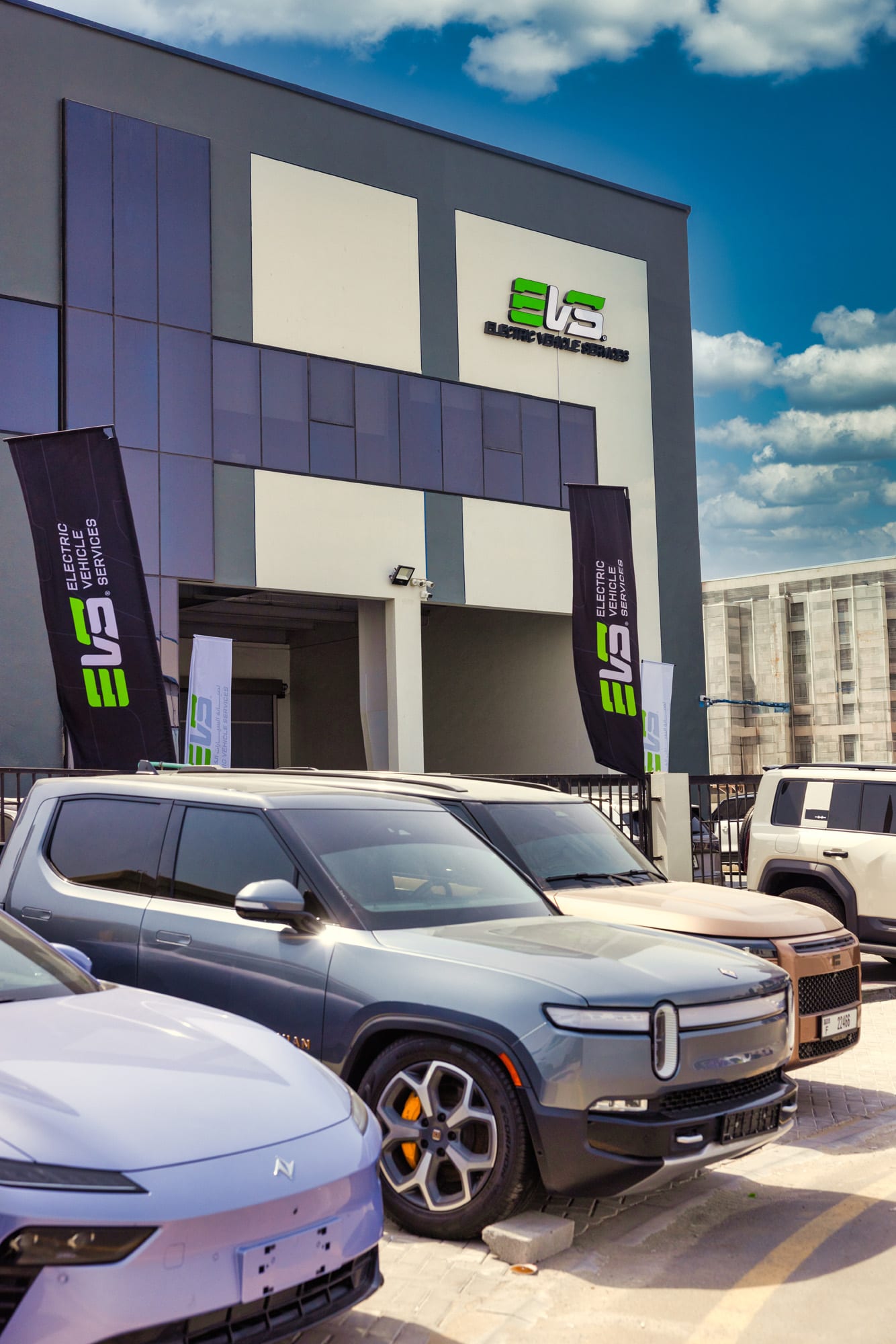
EVS brings specialist technicians, advanced diagnostics and dedicated electric-vehicle expertise together under one roof. That kind of approach matters when you want a clear answer rather than guesswork.
What EV owners should look for when evaluating charging solutions
If you are comparing charging solutions or assessing how well your vehicle is adapting to the local environment, keep your focus on practical performance rather than marketing language.
A good charging setup should support:
- Safe and stable power delivery
- Compatibility with your vehicle’s charging standard
- Suitable charging speed for your use pattern
- Clear software communication with the car
- Thermal and battery protection
- Access to diagnosis when something changes
It also helps to think about your daily routine. Home charging, workplace charging and public charging each solve different problems. The best setup is often the one that fits how you actually drive, not just the one with the biggest headline figure.
For many Qatar owners, a mixed charging strategy offers the most flexibility. That may mean slower charging at home for regular use and faster charging when a longer trip or schedule demands it.
FAQ: latest EV charging technologies Qatar drivers ask about
1. What are the latest EV charging technologies Qatar drivers should know about?
The main developments include faster DC charging, improved AC charging systems, smarter battery thermal management, better charger-to-vehicle communication, more software-based charging controls and evolving connector compatibility. Together, these changes make charging more efficient and more adaptable to local driving conditions.
2. Is fast charging bad for EV batteries?
Not necessarily. Modern EVs are designed to handle fast charging, and the vehicle’s battery management system helps protect the pack during the process. However, charging habits still matter, and repeated high-stress charging without proper battery management may not be ideal for every vehicle. Following manufacturer guidance and using good charging practices is the best approach.
3. Why does my EV charge slower in hot weather?
High temperatures can affect battery temperature, and the vehicle may reduce charging speed to protect the battery system. This is a normal protective response in some cases. If the slowdown becomes frequent or extreme, it may be worth having the battery thermal system and charging components checked by a specialist.
4. Do imported EVs need special charging adjustments in Qatar?
Sometimes, yes. Imported vehicles may use different regional settings, software configurations or connector expectations. In some cases, the vehicle may need region-specific coding, compatible charging-port work or specialist diagnostic support to perform correctly in the local environment.
5. What should I do if my EV charging is inconsistent?
Start by checking the cable, charger and charging location, then look at whether the issue happens with multiple chargers or only one. If the problem continues, a specialist EV diagnostic review is the best next step, because the issue could involve the battery, software, onboard charging system or charging port.
The future of EV charging in Qatar is smarter, not just faster
The real story behind the latest EV charging technologies Qatar owners are seeing is not simply speed. It is intelligence. Charging systems are becoming better at communicating, protecting the battery, adapting to climate and integrating with the rest of the vehicle.
That is good news for drivers, fleets and businesses alike. It means charging can become more dependable, more efficient and easier to manage as EV adoption continues to rise.
But technology only works well when it is correctly matched to the vehicle and maintained properly. As EV ownership grows, specialist support will matter more, not less.
If you want clearer guidance on EV charging, battery care, diagnostics or software-related issues, EVS Qatar is here to help. Learn more about EVS Qatar and explore our specialist EV services at https://evsqtr.com/, or contact us through our contact page to discuss your vehicle needs and next steps.