

EV Maintenance Checklist for Winter: Keep Your Vehicle Running Smoothly
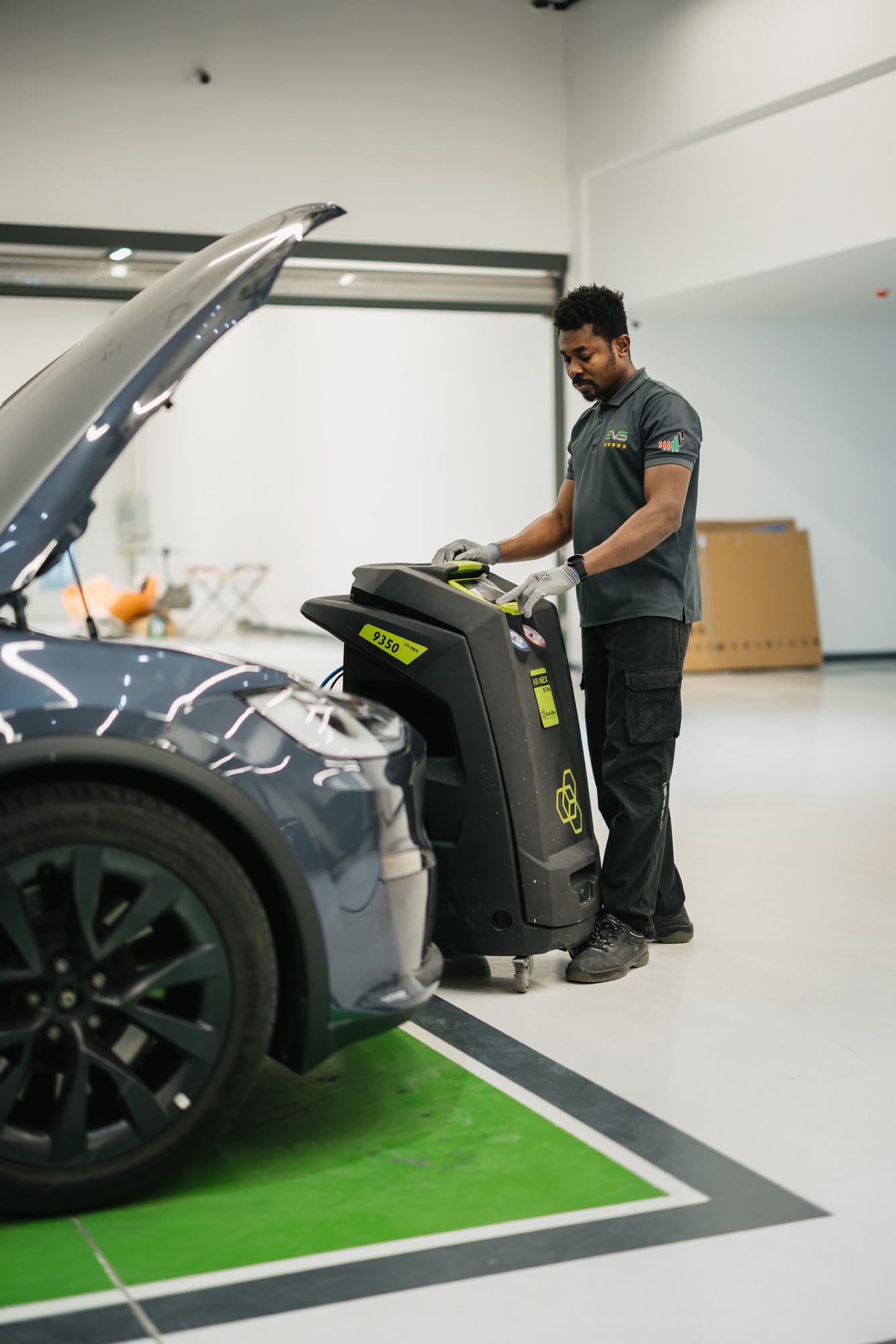
EV Maintenance Checklist for Winter: Keep Your Vehicle Running Smoothly
If you are searching for an EV maintenance checklist winter Qatar drivers can actually use, the good news is that winter preparation for an electric vehicle does not need to be complicated. It does, however, need to be intentional. Cooler mornings, longer trips, holiday traffic, and seasonal temperature swings can all affect battery performance, tyre wear, visibility, charging habits, and cabin comfort.
For EV owners in Qatar, winter is often the best time to refresh routine maintenance and check that the vehicle is ready for daily use, weekend travel, and longer drives. Because EVs rely on software, battery systems, thermal management, tyres, and electronics working together, a seasonal checklist is one of the smartest ways to reduce avoidable issues before they start.
This guide walks you through a practical winter checklist for electric and hybrid vehicles. It is written for owners who want clear, reliable advice rather than generic car care tips. Whether you drive a Tesla, BYD, Zeekr, Xpeng, Rivian, or another EV, the same basic principles apply: protect the battery, inspect the tyres, check the software, confirm charging health, and make sure the vehicle is ready for the season ahead.
Why winter matters for EV maintenance in Qatar
Winter in Qatar may be milder than in many other regions, but it still changes how your vehicle behaves. Cooler temperatures can reduce driving efficiency slightly, affect battery conditioning, and change the way tyre pressure reads in the morning. If you mostly drive in warm weather, winter is also the season when small issues become easier to notice.
For EVs, winter maintenance is not only about comfort. It is also about preserving range, protecting components, and keeping the vehicle efficient. A battery that is healthy in ideal conditions can still feel less responsive if the vehicle is not maintained properly for seasonal use.
This is especially important for drivers who rely on the car every day. A minor tyre pressure drop, an HVAC fault, or an outdated software setting can affect everything from range prediction to cabin heating and charging behaviour.
Start with a battery health check
The battery is the heart of the EV, and winter is a good time to give it attention. You do not need to panic about every small change in range, but you should be aware of any pattern that seems unusual. If the vehicle is charging slower than normal, showing battery warnings, or losing range more quickly than expected, that deserves inspection.
A professional EV health check can help identify whether the issue is related to battery condition, thermal management, charging behaviour, or software. For many owners, this is the most important step in any EV maintenance checklist winter Qatar vehicles need.
A winter battery check should look at:
- Battery condition and reported health status
- Charging performance and any unusual interruptions
- Cooling or thermal-management warnings
- Cell balancing or module-related issues
- Battery-related fault codes stored in the vehicle
It is also wise to watch how your car behaves after overnight parking. If the battery seems to lose more charge than usual while parked, that can be a sign that diagnosis is needed. EV batteries naturally use energy for systems such as battery management and conditioning, but unusual losses should not be ignored.
Inspect tyre pressure, tread, and alignment
Tyres are one of the most overlooked winter safety items, but they matter greatly for EVs. Electric vehicles are typically heavier than conventional cars because of the battery pack, which means tyre condition has a direct impact on stability, braking, and efficiency.
As temperatures drop, tyre pressure can fall slightly, and that can affect grip and range. Always check pressure when the tyres are cold, and make sure the values match the manufacturer’s recommendation. If the vehicle has been sitting for a while, do not assume the dashboard reading is enough on its own.
You should also inspect:
- Tread depth and even wear across all four tyres
- Sidewall damage or cracking
- Uneven wear that may suggest alignment issues
- Steering pull or vibration at speed
- Sensor warnings linked to tyre pressure monitoring
If the vehicle is pulling to one side or the tyre wear looks uneven, wheel alignment should be checked. For EVs, alignment is especially important because poor geometry can increase rolling resistance and reduce range. It can also make the car feel less stable on the road.
Check brakes, suspension, and road contact systems
EVs use regenerative braking, so brake pads may wear differently from those on petrol vehicles. That does not mean brakes should be ignored. In fact, because EVs can go through periods of lighter brake use, corrosion and seized components can sometimes become a concern if the system is not inspected regularly.
Winter is a smart time to review brake condition, suspension health, and related hardware. A specialist inspection can help identify whether the vehicle needs cleaning, adjustment, calibration, or repair.
Pay attention to:
- Brake response and pedal feel
- Noises during braking
- Suspension knocks or rattles over bumps
- Uneven handling or body roll
- Wear in bushings, joints, or related parts
A vehicle that feels slightly less settled in winter may be telling you something. Even if the issue seems minor, catching it early can prevent longer-term wear and keep the car safer for daily use.
Make sure thermal management and HVAC are working properly
Cabin comfort is only one part of the HVAC story in an EV. Thermal management also helps protect the battery and other systems. If the cooling or climate-control system is not working well, the battery may not stay in its ideal operating temperature range, and that can affect charging, performance, and efficiency.
Before winter driving becomes routine, test the air-conditioning, cabin heater, demisters, and any automatic climate features. Many owners only notice HVAC problems when they need clear windows or comfortable cabin temperatures, but by then the issue may already be affecting day-to-day driving.
A good winter HVAC check should confirm:
- Heater output and temperature control
- Defogging and demisting performance
- Compressor operation where applicable
- Coolant or thermal-management faults
- Unusual smells, noises, or weak airflow
If you have ever experienced inconsistent cabin temperature or temperature warnings on the dashboard, do not assume it is just a seasonal quirk. On an EV, thermal systems are closely linked to battery performance and should be treated as part of core maintenance.
Review software, firmware, and system calibration
Modern EVs depend heavily on software. That means winter maintenance should include more than mechanical inspection. You should check whether your vehicle has any pending firmware or software updates, especially if you have noticed warning messages, connectivity issues, infotainment glitches, or inconsistent system behaviour.
Software updates can improve stability, fix bugs, and refine how the vehicle manages battery, charging, climate control, and safety systems. If your vehicle has recently had repairs, module replacement, or electronic work, calibration may also be required so that systems communicate correctly.
A seasonal software review should consider:
- Pending firmware updates
- Fault codes or dashboard alerts
- Infotainment or camera system errors
- Calibration needs after repairs or part replacements
- Charging or range-display inconsistencies
This is one reason many EV owners benefit from a specialist workshop rather than a general garage. The right diagnosis equipment and EV-specific knowledge make a major difference when the issue is electronic rather than purely mechanical.
Test charging habits and charging hardware
Winter is a great time to review how and where you charge. If you mostly charge at home, make sure your cable, connector, and charging port are all clean and in good condition. If you use public chargers, keep an eye on whether the charging process is stable or whether interruptions are becoming more frequent.
A charging issue is not always caused by the charger itself. It can also point to the vehicle’s charging port, onboard systems, software, or cable condition. That is why it is useful to observe the pattern carefully rather than assume the fault is external.
A charging check should include:
- Inspecting the charging port for debris or visible wear
- Confirming the cable locks and releases correctly
- Watching for unusual heat, noise, or interruptions during charging
- Checking whether the vehicle reaches expected charge levels
- Confirming the dashboard and app display match actual charging behaviour
If you have an imported vehicle or a model with region-specific charging requirements, it is especially important to confirm compatibility before winter travel increases your charging needs.
Inspect lights, cameras, sensors, and visibility systems
Winter driving often means more early-morning commuting, darker conditions, and occasional reduced visibility. That makes lights, cameras, and driver-assistance systems worth checking carefully.
Walk around the vehicle and test all lighting functions. Then confirm that cameras and parking sensors are clear, properly aligned, and free from damage. On many EVs, these systems are integrated into the vehicle’s wider electronics, so even a small fault can affect the user experience.
Look out for:
- Dim, flickering, or non-functioning lights
- Dirty or misaligned cameras
- Sensor warnings that do not clear
- Cracked glass near camera systems
- Inconsistent reversing or parking guidance
If the vehicle has had bodywork, windshield replacement, or collision repair, camera and sensor realignment may be required. These systems should not be left to guesswork, because accuracy matters for both comfort and safety.
Do a winter comfort and interior readiness check
It is easy to focus on battery and tyres and forget the cabin. But a comfortable, functional interior makes a real difference to how the vehicle feels every day. Winter is the right time to check wipers, washer fluid, door seals, mats, and interior electronics.
A small issue like a weak wiper blade or a noisy seal can become surprisingly annoying over a season of repeated use. Likewise, if your infotainment system is slow or your controls are behaving inconsistently, it is better to resolve it before travel becomes more frequent.
Include these in your checklist:
- Wiper blade wear and washer function
- Cabin filter condition if applicable
- Door and boot seals for dust or water intrusion
- Infotainment responsiveness
- Seat heating or climate features if fitted
These items may seem minor compared with battery work, but they contribute to overall reliability and driver confidence.
Build a simple winter routine for your EV
The best checklist is one you can repeat. Rather than thinking about winter maintenance as a once-a-year event, build a short routine that fits your schedule. A few quick checks every couple of weeks can prevent bigger issues from developing unnoticed.
A practical routine might include:
- Checking tyre pressure and visible wear
- Glancing at battery and system warnings
- Observing charging behaviour at home or public stations
- Listening for new noises or vibrations
- Watching for changes in cabin heating or defogging
If the vehicle is used for commuting, family transport, or work travel, this kind of routine is especially valuable. It keeps you ahead of problems rather than reacting after a fault appears.
When to book a specialist EV inspection
Some issues are simple enough for an owner to spot, but not to solve. If your EV shows a warning light, loses range unusually fast, struggles to charge, or behaves differently after software changes, a specialist inspection is the right next step.
This matters because EV systems are interconnected. What looks like a battery issue could actually be software, thermal, charging, or module-related. What seems like a suspension problem might be linked to tyre wear, alignment, or sensor calibration.
You should consider professional inspection if you notice:
- Reduced range beyond normal seasonal variation
- Charging interruptions or slow charging
- Battery, drive unit, or power warnings
- Brake, suspension, or steering changes
- HVAC or defogging faults
- Camera, sensor, or calibration issues
A specialist EV service centre brings advanced diagnostics, dedicated EV expertise, and the kind of technical approach these vehicles require.
FAQ: EV maintenance checklist winter Qatar
Does winter affect EV range in Qatar?
Yes, cooler weather can have a modest effect on range because batteries operate differently at lower temperatures and the vehicle may use more energy for thermal management. In Qatar, the effect is usually less severe than in colder countries, but it is still worth monitoring. If range drops much more than expected, the cause may be battery health, tyre pressure, HVAC use, or software behaviour rather than temperature alone.
How often should I check tyre pressure in winter?
It is a good idea to check tyre pressure regularly throughout the season, especially after noticeable temperature changes or long periods of parking. EVs are sensitive to tyre condition because of their weight and efficiency demands. Proper pressure helps maintain handling, safety, and range.
Do EVs need different winter maintenance than petrol cars?
Yes, in several important ways. EVs do not need oil changes or exhaust-related maintenance, but they do depend heavily on battery health, software, thermal management, charging systems, and electronics. That means winter maintenance should focus on those areas as well as tyres, brakes, and suspension.
What is the most important winter check for an electric vehicle?
Battery health and tyre condition are usually the top priorities. The battery affects driving range, charging, and vehicle performance, while tyres have a major impact on grip, safety, and efficiency. After that, HVAC, software, and charging systems are the next most important areas to review.
Can I do winter EV maintenance myself?
You can absolutely handle basic checks yourself, such as tyre pressure, fluid top-ups where appropriate, visual inspections, and monitoring dashboard warnings. However, if you notice battery warnings, charging faults, calibration issues, or unusual electrical behaviour, it is best to use a specialist EV service provider for proper diagnosis.
Keep your EV ready for the season ahead
Winter driving is easier when your vehicle is prepared, and the right checklist can make all the difference. By checking battery health, tyres, brakes, software, charging systems, HVAC, and visibility equipment, you give your EV the best chance of running smoothly through the season.
If you want expert support from a specialist electric-vehicle service brand, EVS Qatar is part of the wider EVS regional network focused on performance, trust and total care. To learn more about EV care and specialist diagnostics, visit https://evsqtr.com/contact or call +97450000387 for the latest local guidance and contact details.
For a deeper look at specialist EV support, Learn More About EVS Qatar and explore how expert diagnostics and comprehensive care can help keep your vehicle ready for winter.