

Preparing Your EV for the Upcoming Winter Season in Qatar
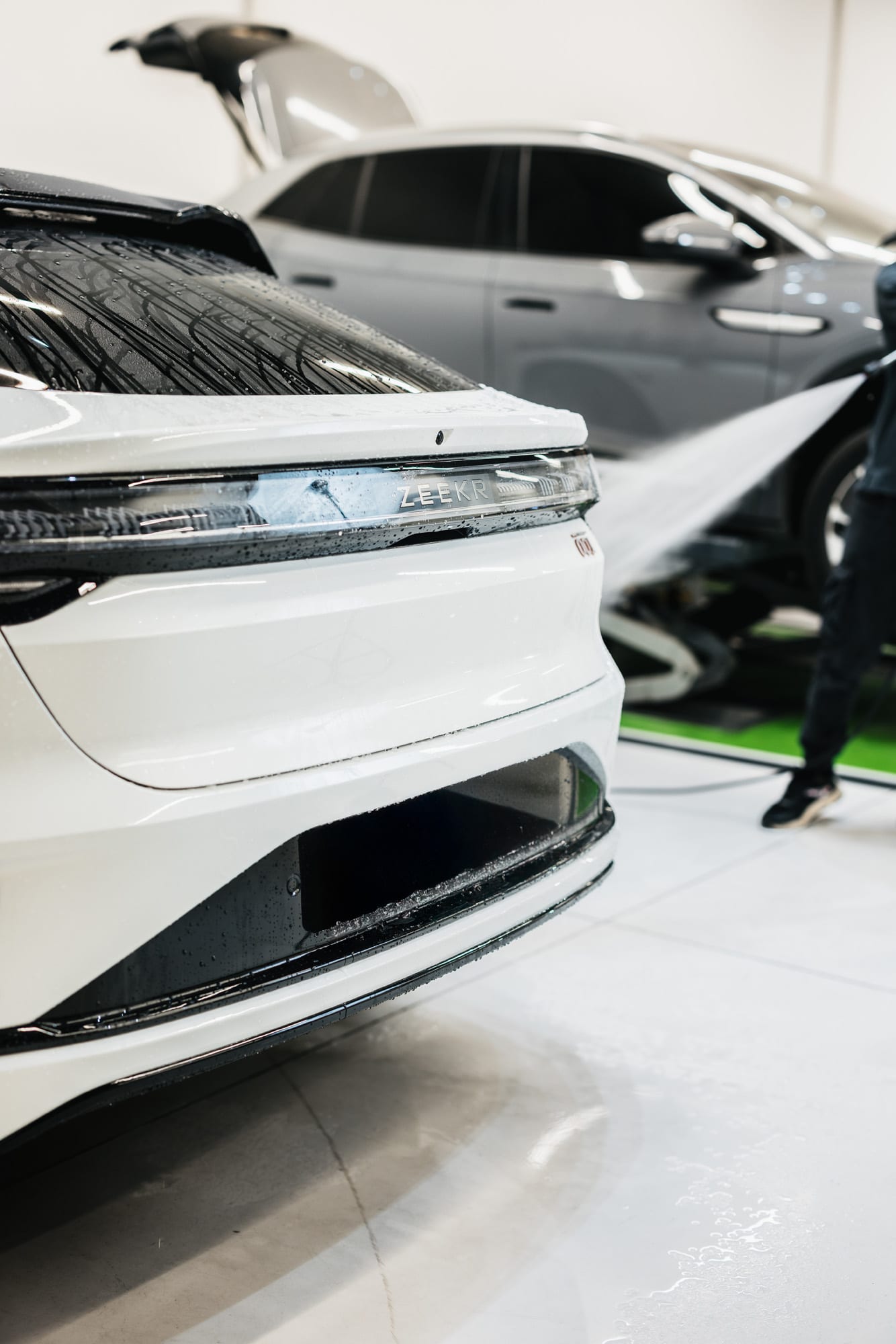
Preparing Your EV for the Upcoming Winter Season in Qatar
As the weather begins to cool, many drivers start thinking about how to winterize EV Qatar 2026 conditions can affect performance, charging habits and everyday safety. While Qatar does not experience harsh winter in the same way as colder climates, the cooler months still bring changes in temperature, driving patterns and road conditions that EV owners should take seriously.
For electric and hybrid vehicle owners, this is the right time to prepare before the season settles in. A little preventative care now can help protect range, preserve battery health and reduce avoidable stress on your vehicle’s systems.
Why cooler weather still matters for EV owners in Qatar
Even a mild seasonal shift can influence how an EV behaves. Battery chemistry is temperature-sensitive, so range, charging speed and energy efficiency can feel different when the air is cooler than it has been through the long summer.
In Qatar, many drivers also begin taking longer trips, driving more comfortably during the cooler months and spending more time on the road. That makes this season an ideal time to review the vehicle’s condition rather than waiting for a warning light or performance issue to appear.
The key point is simple: winter preparation for an EV is not about panic. It is about making sure the vehicle is ready for the specific way Qatar’s season affects daily use.
Start with battery health and thermal management
The battery is the heart of any EV, and seasonal preparation should always begin there. Cooler weather can temporarily affect how quickly a battery delivers power and how efficiently it accepts a charge, especially on the first drive of the day.
That does not mean the battery is unhealthy. It does mean owners should keep an eye on state of charge, charging behaviour and any changes in range that seem unusual for the vehicle.
A battery-focused inspection is especially useful if you have noticed one or more of the following:
- Range drop that feels larger than expected for the season
- Longer charging sessions or inconsistent charging speed
- Warning messages related to battery temperature or performance
- Reduced efficiency on short urban journeys
- A noticeable change in the way the car accelerates after overnight parking
Thermal management matters too. EV battery systems rely on sensors, coolant loops and control logic to stay within a safe operating range. When those components are working properly, the vehicle is better able to manage seasonal temperature changes.
For Qatar’s climate, specialist battery-health checks are particularly valuable because they can identify issues before they develop into bigger concerns. A trained EV technician can assess the battery system, thermal components and related diagnostics in a way a general garage may not.
Check tyres, alignment and stopping performance
One of the most overlooked parts of seasonal EV preparation is tyre condition. EVs are heavier than many combustion vehicles, and that weight affects tyre wear, grip and alignment sensitivity. Cooler months are a good time to review tyre pressure, tread depth and overall condition.
Tyre pressure can shift with temperature changes, so it is worth checking all four tyres more often during the season. Underinflated tyres can reduce efficiency and affect handling, while overinflation can reduce grip and comfort.
Alignment deserves attention as well. If the vehicle has been pulling to one side, showing uneven wear or feeling less stable at speed, an alignment check may be necessary. This is especially important for EVs, where precise handling and regenerative braking systems work together to create a different driving feel.
Braking should also be evaluated. EVs use regenerative braking, but they still depend on a healthy braking system for safe operation. If the car feels less responsive, makes unusual noises or displays brake-related alerts, it is worth having the system inspected by an EV specialist.
Review charging habits before the season gets busier
Charging routines often change when the weather cools. Many owners drive more often, take longer weekend trips or rely less on cooling-heavy summer routines. That makes it a good time to review how and when you charge.
A few practical habits can help keep the vehicle in better shape:
- Avoid letting the battery sit at extremely low charge for long periods
- Try to keep charging habits consistent rather than constantly cycling between extremes
- Pay attention to any changes in charging speed or connector behaviour
- Check the charging port for dust, wear or visible damage
- Confirm that your home or public charging routine is working as expected before a long trip
If you have ever experienced intermittent charging, connection failures or a charging-port warning, it is best not to ignore it. Seasonal use can expose weak points in the charging system, and small issues can become inconvenient when you need the car most.
For imported vehicles or models that have had charging-related modifications, compatibility is especially important. A qualified EV service centre can check whether the vehicle’s charging hardware and software are communicating correctly.
Keep software and module systems up to date
Modern EVs depend on software as much as hardware. As the season changes, software-controlled systems such as battery management, climate control, infotainment and driver-assistance features may need attention.
This is one reason EV preparation should include more than just mechanical inspection. A vehicle that looks fine externally may still have a module, firmware or calibration issue that only shows up under load or after a software change.
Consider a professional diagnostic review if you notice:
- Warning lights that come and go
- Navigation or infotainment glitches
- Camera or sensor issues after bodywork
- System alerts that do not match the physical condition of the car
- Erratic behaviour after a software update
A specialist EV technician can perform calibration and diagnostics, check related control modules and confirm whether the vehicle is communicating properly across its systems. That matters in winter as well as summer, because many small electronic issues are easier to manage when caught early.
Don’t forget HVAC and cabin comfort systems
Even in Qatar’s cooler months, the air-conditioning and thermal systems remain important. EV HVAC systems do more than keep the cabin comfortable. They also help manage battery and drivetrain temperatures.
If the cabin takes longer to cool or warm than expected, or if airflow seems weak, it may indicate a fault in the HVAC system. In an EV, that can affect comfort, efficiency and in some cases the performance of related thermal-management components.
You should also think about cabin filters, fan performance and the condition of any electric compressors or thermal sensors. These parts can be overlooked because they are not as visible as tyres or brakes, but they play a meaningful role in seasonal performance.
A properly serviced HVAC system supports both the driver and the vehicle. It is part of total EV care, not just comfort.
Prepare for longer trips and holiday driving
Qatar’s cooler season often means more travel. Families head out more often, weekend driving increases, and EV owners may use their vehicles for longer routes than they did during the hottest months.
Before planning a longer drive, it is wise to do a simple pre-trip review. That includes checking the battery state of charge, confirming tyre pressure, ensuring the charging cable is in good condition and making sure no dashboard alerts are active.
If you use the vehicle for business, fleet operations or daily client visits, this becomes even more important. Downtime is inconvenient, and a seasonal inspection can reduce the chance of unexpected interruptions.
You do not need to prepare for winter with the mindset of a freezing climate. Instead, prepare for the conditions you actually have: cooler temperatures, more road use and a higher expectation that the vehicle will perform consistently every day.
Watch for signs that your EV needs a specialist inspection
Some seasonal changes are normal. Others are signs that the vehicle needs attention. A good rule is to treat anything unusual as worth checking, especially before the season gets busier.
Look out for these warning signs:
- Range that seems significantly lower than usual
- Battery temperature warnings or charging interruptions
- Uneven tyre wear or poor straight-line stability
- Brake noise, vibration or reduced responsiveness
- HVAC performance that feels weaker than normal
- Infotainment, camera or sensor faults
- Electrical issues such as intermittent lights or warning messages
These issues do not always mean a major repair is needed. But they do mean the vehicle should be diagnosed by someone with specialist EV knowledge, because guessing can lead to unnecessary downtime or incomplete repairs.
Why specialist EV servicing matters more than general servicing
Not every garage is equipped to work on high-voltage systems, EV software or battery-related faults. That is why seasonal preparation should be handled by specialists who understand the unique systems inside electric and hybrid vehicles.
A specialist EV service centre can approach the vehicle more comprehensively. That means looking beyond simple wear items and considering the full system: battery, drive unit, software, charging hardware, brakes, suspension, body electronics and thermal management.
This approach matters because EV problems are often interconnected. A sensor issue may affect charging behaviour, a software problem may trigger a false warning and a thermal-management fault may influence battery performance. Accurate diagnosis saves time and gives the owner clearer next steps.
EVS combines specialist technicians, advanced diagnostics and dedicated electric-vehicle expertise under one roof. That kind of focused care is exactly what owners should seek when preparing for the season ahead.
Practical winter EV checklist for Qatar drivers
If you want a simple way to get ready, use this checklist before the cooler months settle in:
- Inspect tyre pressure and tread depth
- Check for uneven wear and alignment issues
- Review battery range and charging behaviour
- Test the charging port and cable for damage
- Make sure no warning lights or alerts are active
- Assess HVAC performance and cabin comfort
- Watch for software, camera or sensor issues
- Arrange a specialist EV health check if anything feels abnormal
This checklist is useful whether you drive every day or only use the car occasionally. Small checks now can help prevent larger disruptions later.
Frequently asked questions
Do EVs really need winter preparation in Qatar?
Yes, even though Qatar’s winter is mild, seasonal preparation still matters. Cooler temperatures can affect battery behaviour, tyre pressure, charging habits and HVAC use. Preparing the vehicle helps you maintain reliable performance and catch small issues before they become inconvenient.
Does cold weather reduce EV range in Qatar?
It can, although usually not dramatically in the way it might in much colder countries. Cooler air can influence battery efficiency and the way the vehicle manages energy, especially on short trips or after the car has been parked overnight. Good charging habits and a healthy battery system help minimise this effect.
What is the most important EV winter check?
Battery health is one of the most important areas to review, but tyres and charging systems are close behind. An EV works as an integrated system, so a useful seasonal inspection should cover battery condition, thermal management, tyre pressure, brakes and software-related alerts.
Should I warm up my EV before driving in cooler weather?
Many EVs perform well without a long warm-up, but preconditioning the cabin or battery where supported can improve comfort and efficiency. Check your vehicle’s settings to see what is available, and use the manufacturer’s guidance for your specific model.
When should I book an EV service before winter?
The best time is before you start relying on the car more heavily for seasonal travel. If you have noticed a warning light, reduced range, charging irregularity or any unusual behaviour, it is better to book earlier rather than waiting for a breakdown or bigger fault.
Final thoughts: make the season easier on your EV
Preparing your EV for the cooler months in Qatar is one of the smartest maintenance decisions you can make. A careful seasonal check helps protect battery health, improve reliability and reduce the risk of inconvenient surprises when you need the vehicle most.
If you want expert support from a specialist EV service brand, EVS Qatar is expanding its presence in the market with a focus on comprehensive care, advanced diagnostics and technical expertise. Learn more about the EVS Qatar experience and get in touch via the contact page or call +97450000387 to discuss your vehicle needs.
Learn More About EVS Qatar and keep your EV ready for the season ahead.