

Understanding the Importance of EV Health Checks in Qatar's Climate
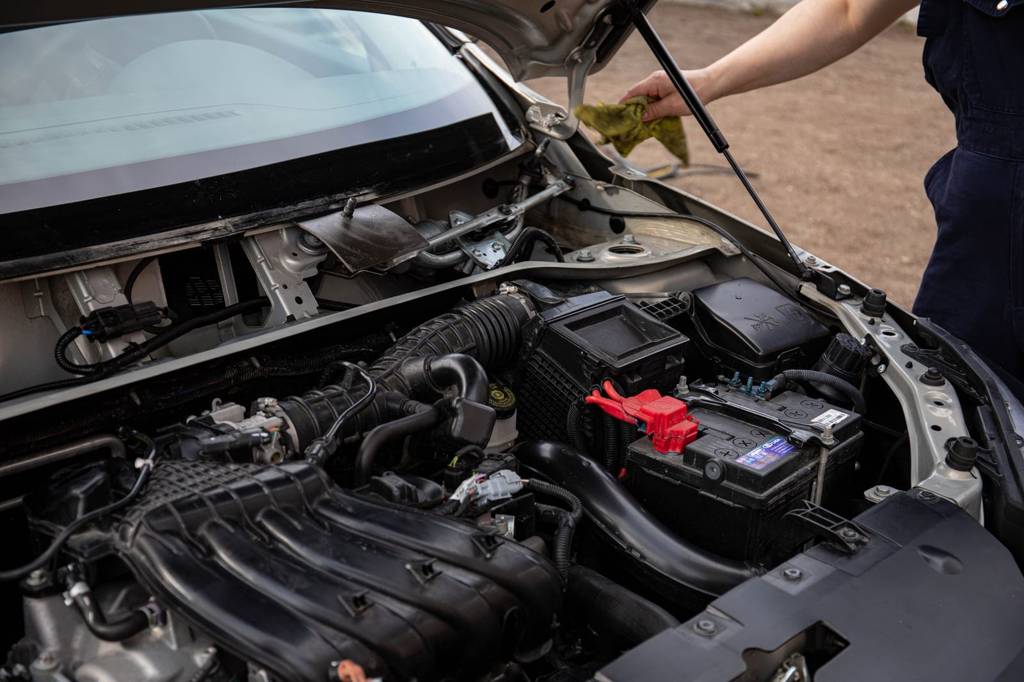
As the electric vehicle (EV) market continues to grow in Qatar, the need for specialized services like EV health checks becomes increasingly crucial. Qatar's unique climate poses specific challenges for electric vehicles, making regular health checks not just beneficial but essential for ensuring longevity, safety, and optimal performance. In this article, we will explore the significance of EV health checks in Qatar, the unique climatic factors affecting EV performance, and how regular maintenance can help mitigate potential issues.
The Unique Climate of Qatar
Qatar is characterized by its arid desert climate, with extreme temperatures that can soar above 40°C (104°F) during the summer months. This harsh environment can significantly impact the performance and longevity of electric vehicles. Factors such as high temperatures, dust storms, and humidity levels can lead to several challenges for EV owners. Understanding these factors is vital for maintaining your vehicle's health and ensuring it operates efficiently.
High Temperatures and Battery Performance
One of the most significant concerns for EV owners in Qatar is the impact of high temperatures on battery performance. Lithium-ion batteries, commonly used in electric vehicles, can degrade faster in extreme heat. Here are some effects of high temperatures on EV batteries:
- Reduced Battery Life: Prolonged exposure to high temperatures can accelerate battery degradation, leading to a reduction in overall lifespan.
- Decreased Range: Heat can affect the battery's ability to hold a charge, resulting in reduced driving range.
- Thermal Management Issues: EVs rely on effective thermal management systems to keep batteries cool. In extreme heat, these systems may struggle to maintain optimal temperatures, leading to potential overheating.
Dust and Sand Ingress
Qatar's desert environment is prone to dust storms, which can introduce fine particles into vehicle systems. Dust and sand can affect various components of an electric vehicle, including:
- Cooling Systems: Dust accumulation can obstruct airflow to cooling systems, compromising their effectiveness and potentially leading to overheating.
- Electrical Connections: Dust can infiltrate electrical connections, causing corrosion or short-circuiting, which can lead to malfunctions.
- Battery Housing: Dust and sand can also impact the battery housing, leading to potential damage or performance issues.
Humidity and Corrosion
While Qatar is primarily a desert climate, humidity levels can rise significantly, especially during the winter months. Increased humidity can lead to:
- Corrosion of Electrical Components: Humidity can accelerate corrosion of electrical components, leading to failures or malfunctions.
- Battery Performance Issues: High humidity can affect battery performance and may lead to condensation within battery compartments.
The Benefits of Regular EV Health Checks
Given the unique challenges posed by Qatar's climate, regular EV health checks are essential for maintaining your electric vehicle's performance and longevity. Here are some key benefits:
1. Early Detection of Issues
Regular health checks can help identify potential issues before they escalate into more significant problems. For instance, technicians can detect early signs of battery degradation, cooling system inefficiencies, or corrosion in electrical components. Early detection allows for timely repairs or replacements, ultimately saving you money in the long run.
2. Enhanced Battery Performance
Battery health checks are crucial for ensuring optimal performance. Technicians can assess the battery's state of charge, capacity, and overall health. Regular checks can help:
- Optimize Charging Cycles: Understanding your battery's health can lead to more efficient charging strategies, prolonging battery life.
- Improve Range: By maintaining battery health, you can ensure your EV maintains its optimal range, which is particularly important in a climate where range can be affected by heat.
3. Improved Safety
Safety is paramount when it comes to electric vehicles. Regular health checks can help ensure that critical safety systems are functioning correctly. This includes:
- Cooling Systems: Ensuring that your EV's cooling system is operating efficiently can help prevent overheating, which poses a safety risk.
- Electrical Systems: Regular checks of electrical connections and components can help prevent failures that could lead to dangerous situations.
4. Increased Resale Value
For EV owners considering selling their vehicle in the future, maintaining a comprehensive service history, including regular health checks, can significantly enhance resale value. Potential buyers are more likely to invest in a vehicle that has been well-maintained and regularly serviced.
5. Peace of Mind
Knowing that your electric vehicle is in optimal condition provides peace of mind. Regular health checks allow you to drive with confidence, knowing that your vehicle is equipped to handle Qatar's challenging climate conditions.
What to Expect During an EV Health Check
When you take your electric vehicle for a health check, you can expect a comprehensive inspection that covers various aspects of your vehicle. Here’s what typically happens during an EV health check:
1. Battery Inspection
Technicians will evaluate the battery's state of health, checking for:
- Voltage levels
- Capacity degradation
- Thermal management system effectiveness
2. Cooling System Check
The cooling system is critical for battery performance. Technicians will:
- Inspect coolant levels
- Check for leaks in the cooling system
- Ensure that cooling fans and radiators are functioning correctly
3. Electrical System Evaluation
Electrical components are vital for the operation of EVs. During the health check, technicians will:
- Inspect wiring and connections for signs of wear or corrosion
- Test electrical systems to ensure they are functioning correctly
4. Software Diagnostics
Modern electric vehicles rely heavily on software for performance. Technicians will:
- Run diagnostic tests to identify any software-related issues
- Update software as necessary to ensure optimal performance
5. Physical Inspection
A thorough physical inspection will be conducted to check for:
- Signs of wear and tear
- Any potential issues with the vehicle's structure or components
How Often Should You Schedule an EV Health Check?
The frequency of EV health checks can vary based on driving habits, climate conditions, and the specific vehicle model. However, a general recommendation is to schedule a health check at least once a year or every 15,000 kilometers driven. In Qatar's extreme climate, more frequent checks may be advisable, especially during the hotter months.
Conclusion
In conclusion, regular EV health checks are essential for electric vehicle owners in Qatar. The unique climate poses specific challenges that can impact battery performance, safety, and overall vehicle longevity. By prioritizing regular health checks, EV owners can ensure their vehicles remain in optimal condition, mitigate potential issues, and enjoy a safer, more reliable driving experience.
At EVS Qatar, we understand the importance of specialized care for electric vehicles. Our team of experts is equipped to provide comprehensive EV health checks tailored to the unique needs of Qatar's climate. For more information on our services or to schedule a health check, please visit our website at EVS Qatar. Your electric vehicle deserves the best care, and we are here to provide it.
FAQs
What is included in an EV health check?
An EV health check typically includes a comprehensive battery inspection, cooling system evaluation, electrical system diagnostics, software updates, and a physical inspection of the vehicle. These checks help identify potential issues and ensure optimal vehicle performance.
How often should I get an EV health check in Qatar?
It is recommended to schedule an EV health check at least once a year or every 15,000 kilometers driven. However, in Qatar's extreme climate, more frequent checks may be advisable, especially during the hotter months.
Can high temperatures affect my EV battery?
Yes, high temperatures can accelerate battery degradation, reduce range, and impact the thermal management system's effectiveness. Regular health checks can help monitor battery health and optimize performance in extreme heat.
What are the signs that my EV needs a health check?
Signs that your EV may need a health check include reduced driving range, overheating, unusual noises, warning lights on the dashboard, or any performance issues. If you notice any of these signs, it’s best to schedule a health check promptly.
Where can I get an EV health check in Qatar?
At EVS Qatar, we provide specialized health checks for electric vehicles, tailored to the unique challenges of Qatar's climate. For more information or to schedule an appointment, please visit our website at EVS Qatar.
Call to Action
Don’t wait for issues to arise; ensure your electric vehicle is in peak condition with our expert EV health checks. Visit EVS Qatar today to learn more about our services and schedule your health check. Your EV deserves the best care, and we are here to provide it.